Jawaharfrom India
Shepherd to a Scattered Flock
Convicted under India's harsh anti-conversion laws, a pastor mourns the loss of his church while rejoicing in the gift of faith and renewed fellowship.
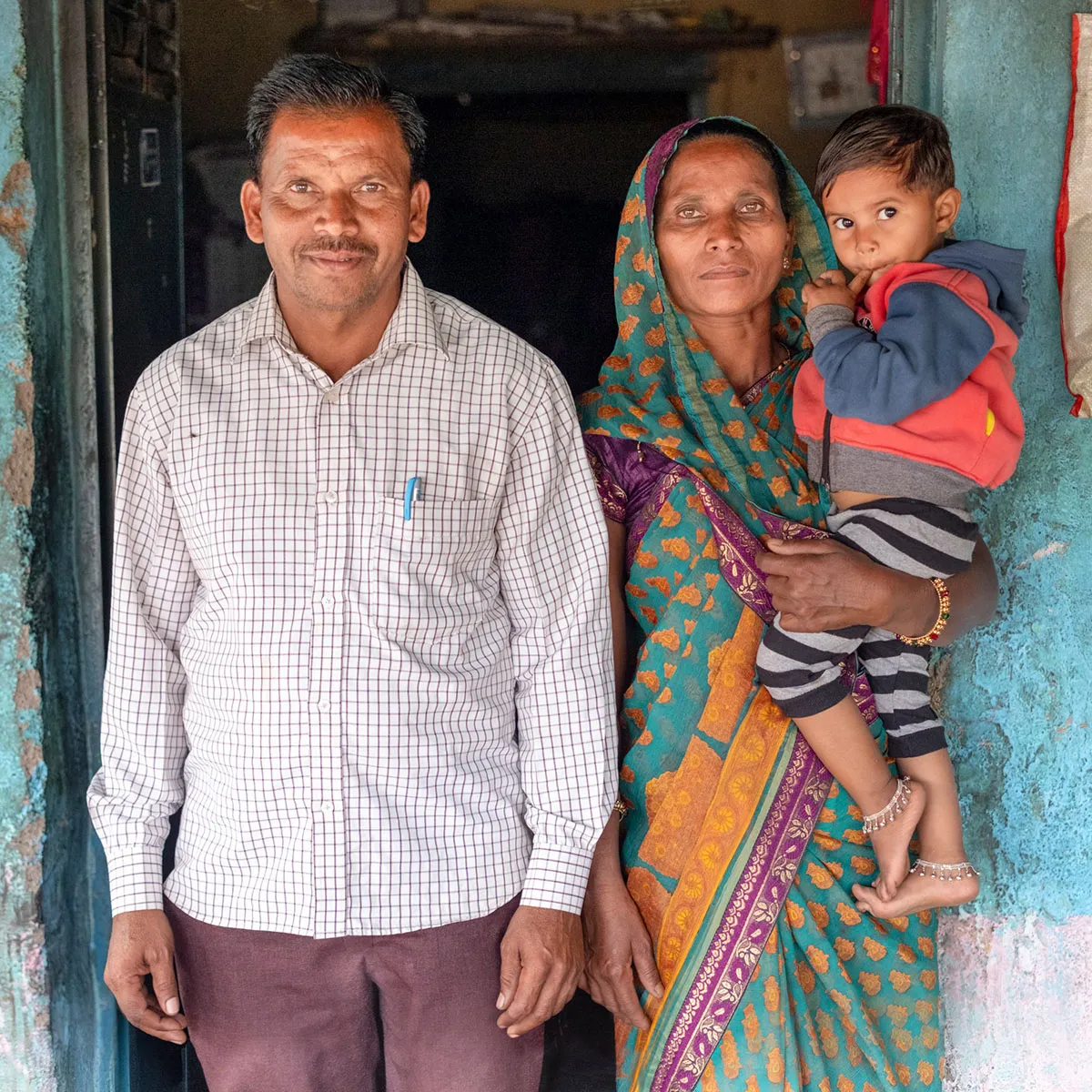
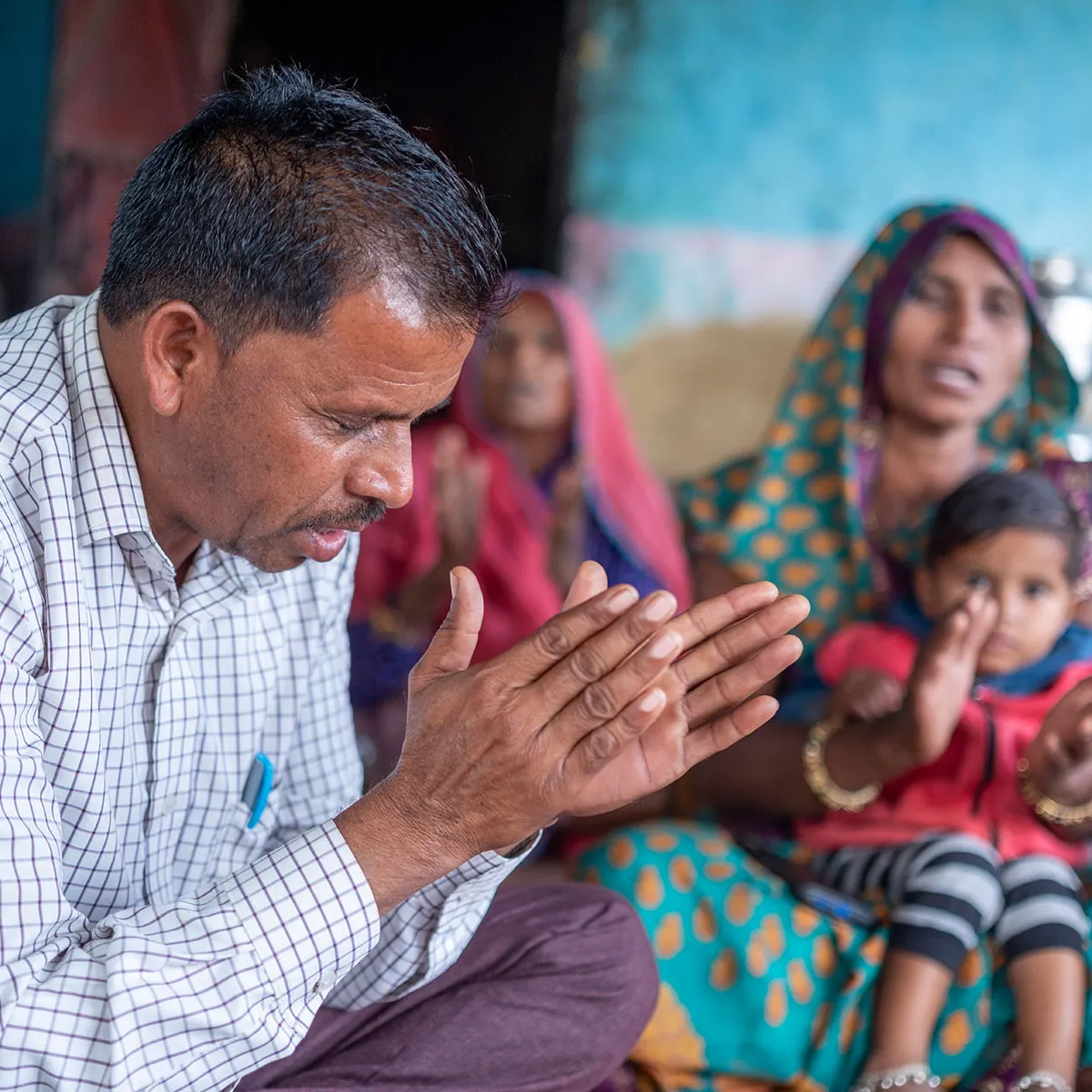
During the Christmas season of 2021, church meetings were still small as a result of pandemic restrictions. Pastor Jawahar's church, which he had led for nine years, was no exception. After a simple worship service on Sunday, Dec. 26, Jawahar and his wife, Amulya, had a prayer meeting with a few church leaders in their home.
But their prayers were soon interrupted by the shouts of Hindu activists affiliated with Bajrang Dal, the youth wing of the Hindu nationalist organization Vishva Hindu Parishad. The activists, who had brought the police with them, were demanding action against the Christians.
"They were yelling," Jawahar said, "accusing me that I am converting the village people." Although the Christians tried to explain that they were just praying together, the police still sided with the accusers. "They forcefully took three of us in the vehicle and brought us back to the police station, where they beat us very badly," Jawahar recalled. He said the beating lasted close to an hour.
When they arrived at the police station, about 150 Hindu radicals were surrounding the building. They shouted slogans and accused the three men of forcing people to attend a "conversion meeting" that morning. Two people from a village miles away claimed they had been summoned there and compelled to listen to a Bible reading before being sprinkled with water in a conversion ceremony. They also claimed that the Christians promised them free education for their children and free health care if they would convert to Christianity.
The police investigation turned up what was, in their eyes, clear proof of the crime: They found a Bible and a pot capable of holding water in Jawahar's home. The prosecution based its entire case on that evidence and the report by the two strangers.
In the state where Jawahar and Amulya live, Christians account for less than 1% of the 72 million people living there. By contrast, 80% are Hindu. While some states have a larger percentage of Christians, the nationwide Christian population is estimated at no more than 5% of the country's nearly 1.4 billion people.
Almost half of India's 28 states have anti-conversion laws that are intended to restrict Christian activity. According to front-line workers in states where these laws are rigidly enforced, arrests can result from complaints by community members who don't even claim to have witnessed conversion activities.
Threats of arrest and imprisonment are daily realities for Christian leaders across India. In Uttar Pradesh state, 253 pastors and other Christian leaders were jailed in the last half of 2024, and 93 of them were still behind bars at last report. In 2024 alone, more than 840 Christian leaders were arrested on charges related to the activity of their Christian faith.
A front-line worker who has supported Christians facing prosecution under anti-conversion laws in several different states said the laws are very strict and abusive to minorities. "Members of the same family can't even have a prayer meeting in their own home," he said. "That can be seen as a 'conversion event' by anyone in the neighborhood. So right now Christians are not feeling at all free even to worship … with their families."
After Jawahar's arrest, Amulya struggled to find help for her husband. The first lawyers she retained charged exorbitant fees and were not motivated to put up a vigorous defense for Jawahar. Amulya had to borrow money at cripplingly high interest rates to pay for legal fees and, eventually, bail. She had to put up family land as collateral on the loans.
Meanwhile, despite the authorities' disregard for due process, Jawahar waited in jail, hoping church members or friends from his ministry organization would visit to provide fellowship and counsel. Fearing more legal problems, however, no one ever visited.
"What happened with us is very sad," Jawahar said. "No one came to meet or even call me. Not even once did they call [my wife] and find out how she was doing, how the kids are and what their needs are."
In fact, the church had already scattered in fear and remains closed today. Some family members of the other two arrested elders blamed Jawahar for getting them imprisoned, further isolating Jawahar's family.
As Amulya continued to seek legal help, some front-line workers became aware of the family's plight and alerted a team of Christian lawyers who serve persecuted Christians. The lawyers stepped in to help the three imprisoned Christians, and after 45 days in jail, Jawahar was finally granted bail.
Perplexed and heartbroken, Jawahar mourned the loss of his church, the uncertainty of his case and the crushing debt they had incurred as they searched for legal help. The land that had been used for collateral and that could have helped support the family was instead taken from them.
"I am not able to do anything much in order to get my land back because my church is still closed and I am unable to do ministry right now," Jawahar said. "I have to work on the field as a laborer, for which I get 250 rupees (a little less than $3) per day, which is very little to meet my family's needs."
After meeting with Jawahar and Amulya, front-line workers were able to provide some relief to the family as they continue with legal proceedings.
In July 2023, Jawahar and the two elders from his church were convicted and sentenced under the state's anti-conversion laws. They face two years in prison and a fine of 50,000 rupees (about $600) each. They are currently out on bail as they appeal their conviction to a higher court.
In the meantime, Jawahar finds spiritual encouragement through fellowship and worship at a church in another village. "My faith is still strong," he said, "and though we have struggles, … we are growing more in faith. I am requesting that you pray that the work of the church can start again as soon as possible."
Despite the abandonment he felt after his arrest, Jawahar loves his congregation, as he made clear in his bail hearing. "I told them loud and clear," he said, "'When I come back out of prison, … I am not going to leave my work or my faith; I will continue serving [here].'"
At last report, Jawahar's legal team was preparing his appeal. If it is rejected, Jawahar and his co-defendants will be imprisoned for two years for the activity of their Christian faith.